Improving safety in warehouses is vital for operational success. Stacking cranes play a significant role in this endeavor. Industry expert Dr. Jian Li, a leading figure in warehouse logistics, emphasizes, “Effective use of stacking cranes can drastically reduce accident rates.” This statement highlights the importance of addressing safety measures surrounding these powerful machines.
Warehouses often face challenges, such as overcrowding and improper equipment use. These factors can lead to dangerous situations. Understanding how to improve warehouse safety with stacking cranes is essential. Adjusting practices and training workers can create safer environments. Regular inspections and maintenance of stacking cranes should also not be overlooked.
Despite advancements, there's always room for improvement. Some warehouses still struggle with adherence to safety protocols. This inconsistency can lead to accidents and operational disruptions. Seeking expert advice and implementing systematic changes ensures that stacking cranes enhance safety rather than compromise it. Implementing best practices could significantly reduce risks in the workplace.
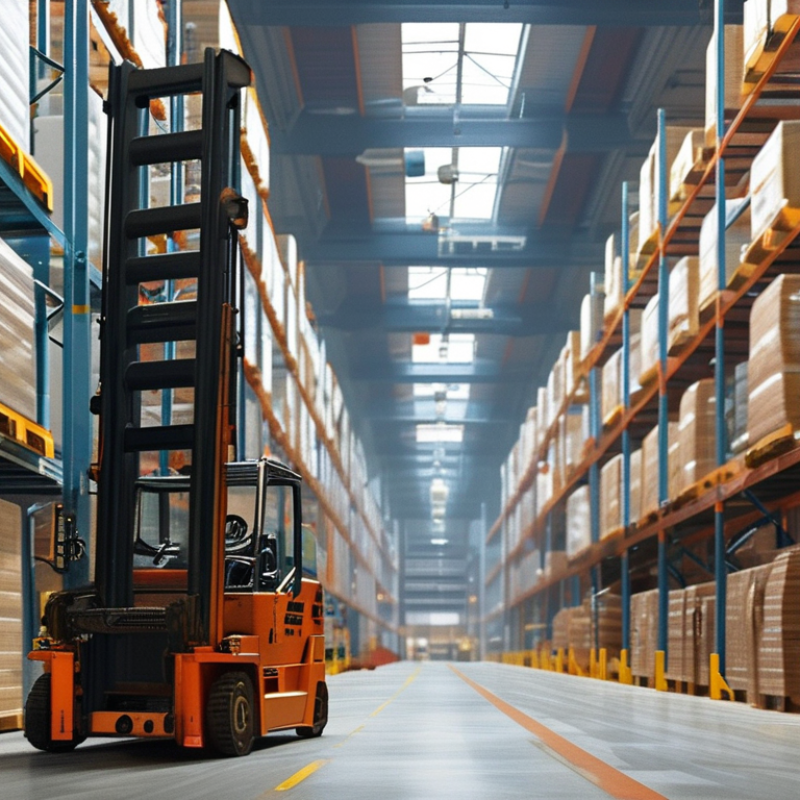
In warehouse operations, stacking cranes play a critical role in material handling. Proper usage significantly improves safety. According to a 2021 report from the Occupational Safety and Health Administration (OSHA), improper stacking can lead to over 40% of warehouse injuries. This statistic emphasizes the need for best practices in stacking crane operations.
Training is essential for all personnel involved in crane operations. Workers should be well-versed in load limits and balance. A crane should never exceed its safe working load. Regular inspections of the crane and surrounding area are vital. This practice reduces the risk of accidents caused by equipment failure or improper setup.
Implementing a clear communication protocol during operations can mitigate risks. All team members should understand hand signals and verbal commands. Furthermore, designated pathways for cranes should be established to avoid collisions with pedestrians. Despite these precautions, human error remains a concern. Continuous monitoring and proactive feedback can enhance awareness. Creating a culture of safety where staff regularly reviews practices is crucial.
A well-planned warehouse layout is crucial for crane safety. Proper spacing allows operators to maneuver safely. Stacking cranes can be tall and heavy, so they require ample space. If the aisles are too narrow, accidents could happen. This can lead to injuries and damaged goods. Checking clearances for overhead cranes is vital, especially in busy environments.
Visual markers in the warehouse can enhance safety. Designate areas for crane operation clearly. Use bright colors or symbols to indicate zones. These markers guide workers and reduce confusion. It's essential to train staff about these zones. They need to understand the risks associated with crane operations. Regular training sessions can reinforce these principles.
Consider the flow of traffic when designing the layout. Examine where items are stored frequently. Place high-demand items closer to loading areas. This reduces the risk of accidents. Sometimes, a layout that worked once may not fit future needs. Constant assessment can identify potential hazards. Making timely adjustments keeps the warehouse safe and efficient.
Regular maintenance of stacking cranes is crucial for warehouse safety. These machines are often at the heart of logistics operations. A poorly maintained crane can lead to accidents, which put lives at risk. Daily checks are essential. Inspect cables, brakes, and controls. Address any issues immediately.
Lack of routine maintenance may result in costly repairs. Over time, small problems can escalate. Workers may not notice a minor issue until it becomes a significant hazard. It’s vital to create a maintenance schedule. This ensures regular inspection and servicing. Even minor adjustments can enhance performance.
Training is also key. Workers should understand how to use cranes safely. They must be educated on identifying potential hazards. By promoting a culture of safety, warehouses can reduce accidents. Remember, safety is everyone’s responsibility. Keeping stacking cranes in top shape protects both equipment and personnel.
Proper training and certification for warehouse crane operators are crucial for safety. According to the Occupational Safety and Health Administration (OSHA), proper training can reduce accidents by up to 40%. These programs ensure operators understand load limits, proper signals, and emergency procedures.
Moreover, statistics from the National Safety Council highlight that nearly 1,000 fatalities occur annually in warehouse settings. Most are preventable with adequate training. Operators must be familiar with the equipment and its maintenance. The lack of operator certification can lead to mishaps that not only endanger lives but also impact warehouse efficiency.
Investing in comprehensive training programs is essential. They should include hands-on experiences and written tests. This multifaceted approach helps reinforce knowledge. While many warehouses do prioritize training, some still overlook the basics. A well-trained operator is not just a legal requirement; they are a vital asset for workplace safety and productivity.
Emergency procedures in warehouse environments are crucial for maintaining safety, especially when using stacking cranes. According to a 2022 safety report by the National Institute for Occupational Safety and Health (NIOSH), improper crane operation accounts for approximately 20% of warehouse accidents. These incidents often lead to serious injuries and financial losses. Implementing strict safety protocols is a necessity.
Training workers on emergency protocols significantly reduces these risks. Employees must understand how to react swiftly in case of equipment failure or accidents. Conducting regular safety drills can enhance readiness. A study published in the Journal of Safety Research revealed that warehouses with regular training sessions saw a 30% decrease in accident rates. These structured protocols are essential for creating a safer workplace.
Moreover, ensuring clear communication during emergencies is vital. Workers should have access to emergency contact numbers and signage indicating evacuation routes. Visibility can be the difference between chaos and order. According to a warehouse safety benchmarking report, only 40% of warehouses consistently communicate safety procedures. This gap raises concerns for overall safety management and employee well-being. More effort is needed to address these shortcomings and foster a culture of safety.
: Proper crane usage is critical. It significantly improves safety and reduces injury risk.
Training ensures operators understand load limits and balance. It prevents accidents caused by operator error.
Regular inspections are vital. They help identify equipment failures and ensure proper setup.
Designated pathways for cranes are necessary. This helps prevent accidents involving workers.
A well-planned layout allows safe maneuvering. Spacing prevents injuries and reduces damage to goods.
Visual markers indicate crane operation zones. They guide workers and reduce confusion.
Regular training reinforces safety awareness. It prepares employees for emergencies and reduces accident rates.
Emergency procedures must detail rapid reaction steps. Workers need clear contact numbers and evacuation routes.
Constant assessment identifies hazards. Timely adjustments help maintain a safe working environment.
Poor communication can lead to confusion. It increases risks during emergencies and creates an unsafe atmosphere.
In enhancing warehouse safety with stacking cranes, it is essential to adopt best practices that prioritize both operational efficiency and employee well-being. Understanding the warehouse layout plays a crucial role in optimizing crane safety by ensuring clear pathways and appropriate placement of equipment. Regular maintenance of stacking cranes is vital to preventing mechanical failures and ensuring reliable performance.
Training and certification for warehouse crane operators cannot be overlooked, as well-trained personnel are more adept at handling equipment safely. Furthermore, implementing robust safety protocols and emergency procedures is critical for preparedness in case of incidents. By focusing on these key areas, facilities can significantly improve warehouse safety with stacking cranes, ensuring a safer working environment for all employees.

AJ Forklifts