Why are tires on my forklift wearing out so fast? This question haunts many warehouse managers and forklift operators. According to a report by the Forklift Trade Association, poor tire maintenance and improper usage can lead to tire wear rates increasing by up to 30% in just a few months. Such accelerated wear not only affects operational efficiency but also increases safety risks.
Several factors contribute to rapid tire degradation. For instance, inadequate tire pressure and improper loading can cause uneven wear. A study from the National Institute for Occupational Safety and Health shows that maintaining proper tire pressure can extend tire life by up to 25%. Additionally, the type of surface where forklifts operate plays a critical role. Rough or uneven surfaces can lead to faster wear as well.
Understanding how to prevent fast tire wear is crucial for reducing costs and ensuring safety. Neglecting tire maintenance can result in frequent replacements and operational downtime. This article provides ten practical tips to help you prolong the life of your forklift tires and enhance overall efficiency.
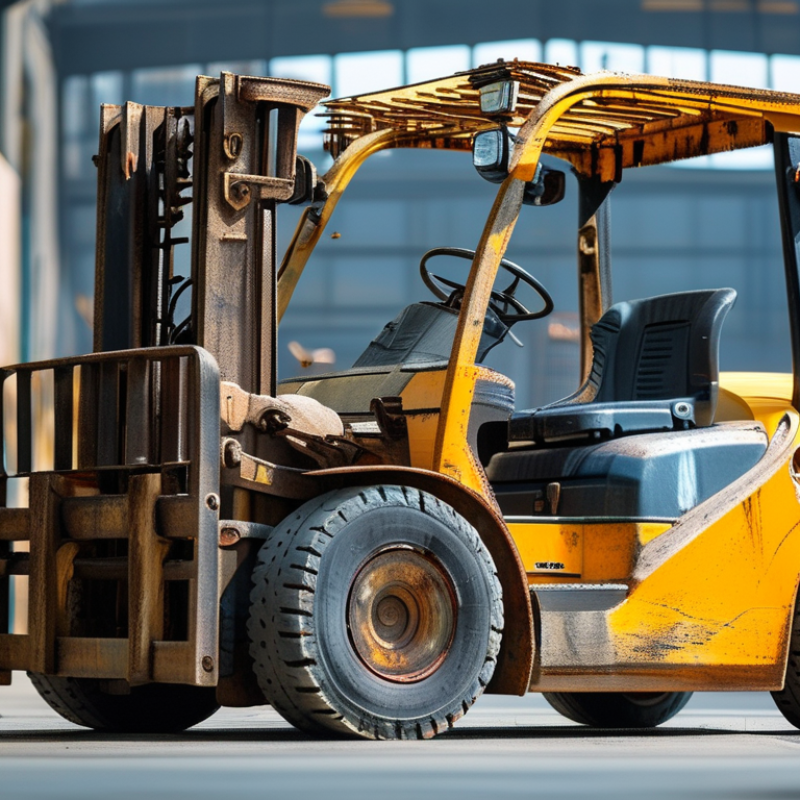
Forklift tire wear can significantly affect operations. Understanding its primary causes is crucial. Factors like uneven weight distribution, improper inflation, and rough surfaces lead to accelerated tire wear. Regular inspections can help identify specific issues.
One effective tip is to maintain correct tire pressure. Under-inflated tires wear quickly and reduce efficiency. Additionally, operators should be trained on proper driving techniques. Smooth turns and gentle acceleration can extend tire life. Using the right tires for specific surfaces also matters.
Routine checks of load balance and environment conditions are essential. Wet or uneven ground can accelerate wear. Implementing a regular maintenance schedule can help mitigate these issues. Tire rotation and alignment adjustments are worth considering. Keeping these factors in mind can help you manage tire wear effectively.
Maintaining forklift tires is crucial for optimal performance and safety. Regular maintenance plays a vital role in extending tire life. According to industry data, proper tire care can increase their lifespan by up to 30%. This is essential for reducing operational costs and ensuring efficiency in the workplace.
Routine inspections should be part of your maintenance schedule. Check tire pressure weekly to avoid extra wear. Under-inflated tires can lead to excessive heat and premature degradation. A study found that forklifts with improperly inflated tires can consume 10% more energy. Such inefficiencies can add up over time, impacting your bottom line.
Additionally, tire alignment affects wear patterns significantly. Poor alignment can cause uneven wear, meaning tires need replacing sooner. Many operators overlook this aspect, leading to higher costs and safety issues. Incorporating alignment checks into your maintenance routine is a smart move. It helps maintain regular performance and enhances tire longevity. Keep in mind that investing time in maintenance is not just a chore; it’s a necessity.
Choosing the right tires for your forklift applications is crucial for optimal performance. Forklifts operate in various environments, from warehouses to construction sites. Each setting demands specific tire characteristics to ensure durability. For instance, pneumatic tires are ideal for rough outdoor surfaces. They provide excellent traction and absorb impacts. However, they may wear out faster on smooth indoor floors.
Solid tires, on the other hand, are perfect for indoor use. They resist punctures and offer a stable ride. These tires may not perform well outside, where uneven surfaces prevail. Consider the weight load your forklift carries regularly. Heavier loads will require tires that can handle increased stress. Opt for tires designed for heavy-duty applications if this is your norm.
Monitoring tire pressure is another aspect often overlooked. Incorrect pressure can lead to premature wear. Regular checks can help extend tire life. Remember, even with the best tires, operational habits impact longevity. Train operators on careful driving practices. This awareness can minimize costly repairs and improve safety.
| Tip | Description | Benefits |
|---|---|---|
| Choose the Right Tire Type | Select tires based on your operational environment (e.g., indoor vs. outdoor). | Reduces wear from unsuitable conditions. |
| Regular Tire Inspections | Check for signs of wear, damage, or air pressure. | Early detection can prevent further damage. |
| Maintain Proper Air Pressure | Keep tires inflated to the manufacturer’s recommended pressure. | Improves handling and reduces excessive wear. |
| Avoid Overloading | Ensure that loads do not exceed the forklift's capacity. | Lowers risk of tire damage and failure. |
| Implement Safe Driving Practices | Train operators to drive cautiously and avoid sharp turns. | Reduces tire scuffing and premature wear. |
| Use Appropriate Tire Sizes | Select tire sizes that fit your forklift and its operation. | Ensures proper load distribution and handling. |
| Rotate Tires Regularly | Change tire positions periodically to ensure even wear. | Extends the lifespan of all tires on the forklift. |
| Minimize Exposure to Harsh Conditions | Limit operation in extreme temperatures or hazardous environments. | Reduces tire deterioration and increases durability. |
| Invest in Quality Tires | Choose high-quality tires suited for your specific needs. | Enhances safety and longevity of the tires. |
| Keep Forklift Well-Maintained | Performs regular maintenance, including wheel alignment and brake checks. | Prevents uneven wear and ensures optimal performance. |
Proper tire inflation is crucial for forklift performance and longevity. According to industry studies, maintain a tire pressure of 30-35 PSI for pneumatic tires. Over-inflation can reduce contact with the ground, leading to uneven wear and a rough ride. On the other hand, under-inflated tires increase rolling resistance and reduce fuel efficiency.
Using a tire pressure gauge regularly is essential. Many operators overlook this, leading to costly repairs. A report by the Tire Industry Association suggests that nearly 20% of forklifts operate with improper tire pressure. This can lead to accelerated tire degradation and affect overall safety.
Additionally, consider environmental factors. Operating in hot conditions can cause tire pressures to increase. Conversely, cold environments may lead to deflation. Monitoring the temperatures regularly gives a more accurate reading of necessary adjustments. Adequate maintenance routines, including regular checks, can significantly reduce fast tire wear, saving both time and money in the long run.
Driving a forklift requires focus and understanding, especially to prevent tire wear. Studies indicate that improper operation is a leading cause of premature tire degradation. After analyzing data, it’s shown that driving too fast over uneven surfaces can wear tires faster by 30%.
Taking corners too sharply also contributes. It creates uneven wear patterns. Operators often underestimate this, leading to unnecessary tire replacements. Training sessions can help reinforce proper turning techniques, minimizing this risk.
Another critical factor is load management. Overloading a forklift increases tire stress significantly. Reports reveal that working beyond recommended limits can reduce tire life by up to 50%. Regular maintenance checks are essential. Operators should always inspect tire pressures before use. Keeping tires properly inflated can improve wear rates and enhance safety.
: Uneven weight distribution and improper inflation lead to faster tire wear. Rough surfaces can also contribute.
Maintaining correct tire pressure and driving smoothly can help prolong tire life. Avoiding sharp turns is key.
Maintain a tire pressure of 30-35 PSI for pneumatic tires. Regular checks are necessary to avoid issues.
Under-inflated tires increase wear and reduce fuel efficiency. They lead to higher rolling resistance.
Routine checks can identify problems early. This helps prevent costly repairs and enhances safety.
Wet or uneven ground can accelerate tire wear. Temperature changes also affect tire pressure.
Yes, tire rotation is beneficial. It helps ensure even wear and can extend tire life.
Use a tire pressure gauge regularly. Many operators ignore this, which can lead to faster wear.
Over-inflation reduces ground contact. It creates uneven wear and contributes to a rougher ride.
Yes, trained operators can drive more efficiently. This reduces unnecessary tire wear and improves performance.
Understanding why tires on your forklift are wearing out so fast is crucial for maintaining operational efficiency. The article outlines the main causes of tire wear, including improper tire selection for specific applications, lack of regular maintenance, and insufficient inflation techniques. Implementing a regular maintenance schedule is essential to extend the life of your forklift tires, as it helps identify and rectify issues before they lead to excessive wear.
In addition, choosing the right tires tailored to your specific forklift applications can significantly reduce wear and tear. Practicing safe driving habits can further mitigate tire wear by promoting smoother operation and minimizing sudden stops. By combining these strategies, forklift operators can effectively prolong tire life and improve the overall performance of their equipment.

AJ Forklifts