Top 10 Tips to Optimize Aisle Width for Narrow Aisle Forklifts?

Time:2026-05-28 Author:Madeline
0%

In modern warehouses, efficiency is key. Aisle design plays a critical role in optimizing operations. With the rise of narrow aisle forklifts, understanding "how to optimize aisle width for narrow aisle forklifts" becomes essential. Proper planning can significantly enhance movement, safety, and storage capacity.

Narrow aisles can boost storage density. However, they also present challenges. If aisles are too narrow, maneuvering becomes difficult. Operators may face risks when navigating tight spaces. It’s vital to find a balance between storage efficiency and operational safety.

Employing best practices is crucial. Utilizing specialized narrow aisle forklifts can improve workflows. Regular evaluations of aisle configurations can lead to better outcomes. Optimize your warehouse layout by considering these tips. Reflecting on aisle width can lead to significant operational improvements. The right choices today can yield substantial benefits tomorrow.
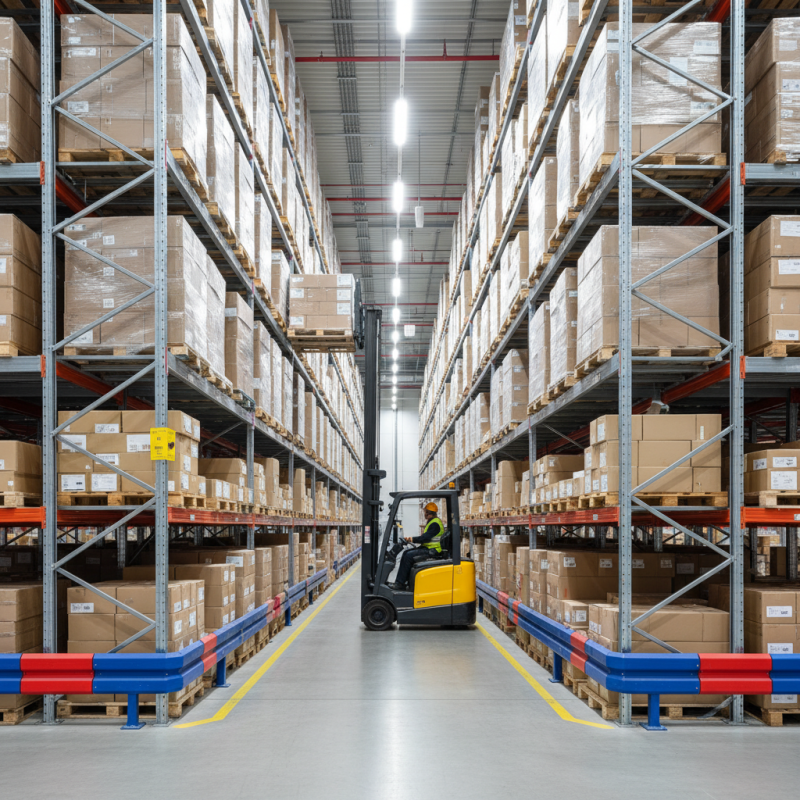
Top 10 Tips to Optimize Aisle Width for Narrow Aisle Forklifts?

Understanding Narrow Aisle Forklifts and Their Requirements

Narrow aisle forklifts are designed to maneuver efficiently in tight spaces. They are essential in warehouses with limited room for movement. Understanding their requirements can significantly impact operational efficiency.

One vital aspect is aisle width. Optimal aisle width can enhance safety and productivity. Consider the size and capabilities of your forklifts. Ensure there is enough space for the turning radius without compromising efficiency. A common mistake is underestimating aisle width, which can lead to accidents.

Another important tip is to regularly assess your inventory layout. Over time, the types of goods may change, affecting space needs. Adapting your aisle width according to current layouts can minimize operational hiccups. Implementing these strategies early ensures a smoother workflow.

Measuring Aisle Width: Key Considerations for Optimization

When optimizing aisle width for narrow aisle forklifts, precise measurement is crucial. The ideal aisle width directly impacts storage efficiency and operational flow. According to industry reports, a width of 6 to 7 feet is generally considered optimal for narrow aisle forklifts. This allows for efficient maneuvering without compromising storage density. However, some facilities fall into the trap of minimizing aisle space too aggressively. This can lead to safety issues and increased wear on equipment.

Key considerations include the type of forklift used and the dimensions of the cargo. Each forklift model requires specific clearance to navigate effectively. For example, an operator may trust their company’s guidelines, yet these may not account for all scenarios. Regular assessment of equipment and aisle conditions is essential. Inadequate aisle width can lead to operational delays and potential damage to goods and vehicles.

Also, consider load stability and reach. The height and weight of loads can dictate how much space is actually necessary. For instance, tall stacks may require a wider aisle to prevent tipping during turns. Facilities should not overlook the impact of inventory turnover rates on aisle width. Frequent adjustments may be needed as product sizes and storage practices evolve. Regular training and clear signage can help mitigate confusion over configurations, ensuring optimized aisle widths.

Top 10 Tips to Optimize Aisle Width for Narrow Aisle Forklifts

Factors Affecting Aisle Width: Load Size and Maneuverability

Designing optimal aisle width for narrow aisle forklifts is crucial for warehouse efficiency. Aisle width directly impacts load size and maneuverability. Efficient aisle design allows for better inventory management and reduces operation time. According to industry reports, warehouses can save up to 30% of their operational time by optimizing aisle space.

When considering load size, it’s important to know that larger loads require more space for safe handling. If aisles are too narrow, forklifts struggle to navigate, leading to potential accidents. Reports indicate that an aisle width of about 5 to 6 feet can accommodate most standard loads without compromising safety.

Maneuverability is another critical factor. Forklifts need room to turn and pivot safely. Aisle width directly affects how quickly a forklift can operate. Narrow aisles can slow down operations if the width hinders movement. Tips for optimizing aisle width include evaluating the load size regularly and training operators for safe maneuvering in tight spaces. Regular assessments can reveal if the current width meets operational demands. These actions can significantly enhance productivity and safety.

Designing Effective Warehouse Layouts for Narrow Aisle Efficiency

Designing an effective warehouse layout for narrow aisle efficiency is an art that requires careful planning. Optimizing aisle width is crucial to the performance of narrow aisle forklifts. Aisle widths can be minimized without sacrificing safety or accessibility. For instance, a width of 5 to 6 feet often allows these forklifts to maneuver effectively.

Consider the flow of goods in your warehouse. Identify high-turnover items and position them strategically. This not only improves accessibility but also enhances picking efficiency. Using designated zones for different products can help. It might be worth exploring flexible storage solutions, enabling adjustments as your inventory changes. Keep in mind that too narrow aisles can lead to congestion and delays.

Involve your team in the layout design process. Their insights can highlight potential weaknesses. Even small adjustments can lead to significant improvements. Regularly evaluating your layout helps in understanding its effectiveness. Sometimes, what seems optimal may not work in practice. It's all about finding the right balance to facilitate smooth operations while maximizing space.

Top 10 Tips to Optimize Aisle Width for Narrow Aisle Forklifts

Tip Number Tip Description Benefits
1 Measure Your Aisle Width Accurately measure current aisle widths to identify areas for optimization. Ensures safe navigation and maximizes space utilization.
2 Choose the Right Forklift Select narrow aisle forklifts designed for tight spaces. Improves maneuverability and efficiency in operations.
3 Optimize Shelf Height Use vertical space effectively by adjusting shelf heights. Maximizes storage capacity without increasing aisle width.
4 Standardize Pallet Sizes Use uniform pallet sizes to streamline handling processes. Enhances efficiency and reduces the risk of aisle blockages.
5 Implement a First-In, First-Out System Ensure older stock is accessed first to clear aisle space. Reduces clutter and improves inventory turnover.
6 Use Warehouse Management Software Adopt technology to track inventory and optimize layout. Improves accuracy and operational efficiency.
7 Train Staff on Best Practices Ensure employees are aware of optimal handling techniques. Enhances safety and efficiency during operations.
8 Regularly Review Layout Conduct periodic assessments to identify layout inefficiencies. Allows for continuous improvement and adaptability.
9 Designate Clear Pathways Mark clear pathways for forklift navigation. Enhances safety and reduces potential accidents.
10 Utilize Cantilever Racking Incorporate cantilever racks for long items. Maximizes use of narrow aisles for diverse inventory.

Integrating Safety Features While Optimizing Aisle Width

Integrating safety features while optimizing aisle width for narrow aisle forklifts is crucial in warehouse management. According to a report by the Occupational Safety and Health Administration (OSHA), reducing aisle width can improve space utilization but may pose safety risks. Aisle widths of only 6 to 7 feet can seem appealing for maximizing storage. However, this often leads to increased accidents if safety measures are not properly implemented.

One vital safety feature is the use of safety barriers. These barriers can prevent collisions between forklifts and pedestrians. A recent study noted that workplaces with barriers reduced accidents by up to 30%. Additionally, integrating lighting systems can enhance visibility in narrow aisles, helping operators make better decisions. Clear signage indicating pedestrian zones is also essential. Without it, the risk of injuries rises, as workers may not notice approaching forklifts.

There’s a balance to achieve. Aisle optimization is beneficial, but it cannot compromise safety. Regular safety audits can help identify gaps in safety practices. While wider aisles may seem inefficient, they can mitigate risk. Facilities should assess their workflow needs and find a sweet spot that maintains safety without wasting space. The challenge lies in effectively integrating these elements to create an efficient yet safe warehouse environment.

FAQS

: What is the primary purpose of narrow aisle forklifts?

: Narrow aisle forklifts are designed to navigate tight spaces in warehouses efficiently.

How does aisle width affect warehouse safety?

Proper aisle width enhances safety and productivity, preventing accidents when forklifts turn or pivot.

Why is it important to assess inventory layout regularly?

Regular assessments can reveal changes in space needs, helping minimize operational hiccups.

How does load size impact aisle width?

Larger loads require more aisle space for safe handling to avoid accidents.

What is the recommended aisle width for most standard loads?

An aisle width of about 5 to 6 feet is generally safe for handling standard loads.

What safety features can enhance narrow aisle operations?

Safety barriers, good lighting, and clear signage can significantly reduce collision risks in narrow aisles.

Why might reducing aisle width be a safety concern?

While it can optimize space, narrower aisles increase the risk of accidents without proper safety measures.

How can regular safety audits benefit a warehouse?

They help identify safety practice gaps, ensuring a safer environment for operators and pedestrians.

Can wider aisles be more efficient?

Yes, wider aisles may seem inefficient but can significantly reduce risks and improve safety.

What should facilities consider while optimizing aisle widths?

Facilities must balance space utilization and safety to maintain efficiency without compromising safety standards.

Conclusion

When considering how to optimize aisle width for narrow aisle forklifts, it is crucial to understand the specific requirements of these vehicles, which allow for efficient operation in tight spaces. Key considerations involve accurately measuring aisle width, taking into account load size and the necessary maneuverability of the forklift.

Designing effective warehouse layouts is integral to maximizing narrow aisle efficiency, ensuring that space is utilized effectively without compromising safety. Additionally, integrating safety features when optimizing aisle width helps maintain a secure working environment while enhancing productivity. By carefully balancing these factors, warehouses can achieve streamlined operations and increased storage capacity.

Madeline

Madeline

Madeline is a dedicated marketing professional with a wealth of expertise in our company's core offerings. With a keen understanding of the industry, she brings a unique perspective to her role, consistently delivering high-quality content that highlights the superior aspects of our products. As......