When dealing with forklifts, one common concern arises: "Why does my forklift leak hydraulic fluid?" This issue can hinder productivity and lead to potential safety hazards. Hydraulic fluid leaks are not just annoying; they indicate underlying problems that need attention.
Hydraulic systems are critical to forklift operation. A leak can stem from damaged hoses, worn seals, or improper maintenance. It’s important to examine these components regularly. Ignoring a small leak can result in larger issues that are costly to repair. Regular inspections can save time and enhance safety.
Understanding the reasons behind hydraulic leaks enhances operational efficiency. By addressing issues promptly, businesses can ensure their forklifts perform optimally. Every leak tells a story about the forklift's health and overall maintenance practices. A proactive approach is essential for safe and effective operation.
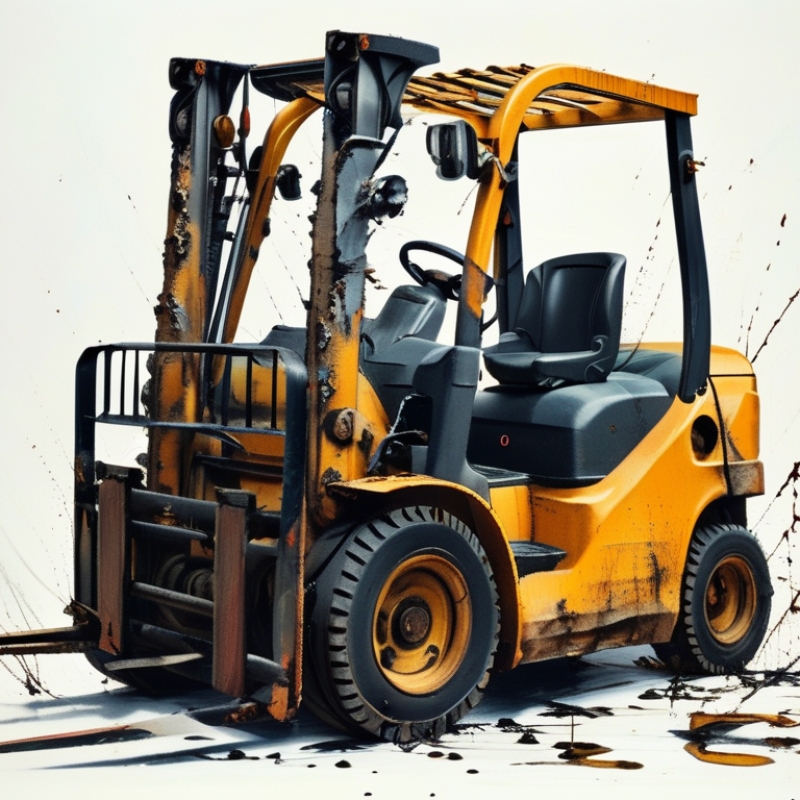
Forklift hydraulic fluid leaks can pose significant challenges in various industries. One of the most common causes is worn or damaged hoses. Over time, hoses can develop cracks or holes due to wear and tear. A report from the Material Handling Industry Association indicates that nearly 30% of hydraulic issues in forklifts stem from faulty hoses. Regular inspection can help identify these problems early and prevent more extensive system failures.
Another frequent cause is loose fittings. Hydraulic connections must maintain tight seals to function correctly. Vibration and temperature changes can lead to loosening, resulting in fluid leaks. Industry data suggest that loose fittings account for approximately 25% of all hydraulic failures in forklifts. It’s essential to conduct routine maintenance checks to monitor connection integrity. Sometimes, a simple tightening can remedy the situation, yet operators often overlook this step, leading to more severe leaks and costly repairs.
Understanding the environment can also aid in preventing leaks. Factors like excessive heat or exposure to chemicals can exacerbate hydraulic fluid degradation. Research indicates that 15% of leaks occur when forklifts operate in harsh conditions. Maintaining a clean and controlled environment can significantly extend the life of hydraulic systems and reduce the risk of leaks.
Hydraulic fluid leakage can cause significant problems for forklifts. Noticing signs of leakage early can save time and money. A common indication is visible fluid pooling around the forklift. If you see a bright red or dark fluid, that’s a clue to investigate. Even small puddles can lead to larger issues, like equipment damage or safety hazards.
Another telltale sign is the drop in hydraulic pressure. If the forklift struggles to lift loads or operates sluggishly, a leak might be the culprit. Operators may also hear strange noises, like a whine whenever they engage the lift. These sounds often suggest low fluid levels. Ignoring these signs can lead to performance issues or even accidents.
Regular inspections are essential. Check hoses and seals for wear and tear. Look for cracked connections that could lead to leaks. It may seem tedious, but attention to detail avoids costly repairs down the line. It’s important to take these signs seriously and address them promptly. A proactive approach will keep your forklift running smoothly, ensuring safety on the job.
Forklifts are essential in many industries, but hydraulic fluid leaks can cause significant issues. Identifying the problem quickly can save time and reduce costs. Start by inspecting the hydraulic lines for any visible damage. Look for cracks, snags, or loose fittings. These are common areas where leaks occur. In addition, check around the hydraulic pump and the cylinder seals. Fluid pooling can indicate a fault in these components.
Consider checking the fluid levels regularly. Low hydraulic fluid can lead to poor performance. Top off the fluid if needed, but don’t overlook leaks. Remember that continual topping off without repairs can mask underlying problems. Focus on addressing the source of the leak.
Understanding how hydraulic systems work can help in troubleshooting. If the leak persists after checking connections, consider seeking professional help. Sometimes, it’s a simple fix, but other times, internal issues may be harder to diagnose. Not every solution will be straightforward. Embrace the learning process and reflect on what each repair teaches you about your forklift’s operation.
| Symptom | Possible Cause | Diagnosis Steps | Recommended Solution |
|---|---|---|---|
| Fluid Pooling | Damaged hydraulic hose | Inspect hoses for cracks or wear | Replace damaged hoses |
| Inconsistent Lifting | Faulty lift cylinder seals | Check for signs of fluid leakage around the cylinder | Replace seals or entire cylinder if necessary |
| Slow Response | Contaminated hydraulic fluid | Inspect fluid quality and level | Flush system and refill with clean fluid |
| Unusual Noise | Air in hydraulic lines | Check for bubbles in fluid reservoir | Bleed the hydraulic system |
| Fluid Discoloration | Fluid degradation or contamination | Inspect fluid for color and particulates | Change the hydraulic fluid |
Hydraulic fluid leaks in forklifts can lead to significant operational challenges and safety concerns. According to industry research, approximately 25% of all forklift maintenance issues involve hydraulic system failures. Leaks not only reduce efficiency but also pose environmental hazards and increase the risk of accidents.
To tackle hydraulic fluid leaks, operators can adopt several effective strategies. First, regular inspections are essential for identifying wear and tear. Maintaining hydraulic seals and hoses can prevent leaks before they escalate. Data indicates that nearly 30% of hydraulic leaks stem from damaged or worn seals. Operators should prioritize replacing seals that show signs of deterioration. Additionally, using high-quality hydraulic fluid designed for specific forklifts can enhance system integrity and reduce leak occurrences.
Implementing a proactive maintenance schedule is vital. Routine checks and proper training for operators can significantly minimize leak risks. Records show that companies with an established maintenance program experience a 40% reduction in leaks. However, even with best practices, leaks may still arise due to unforeseen wear or environmental factors. Continuous monitoring and immediate response to fluid loss are crucial to ensuring safety and efficiency in forklift operations.
Hydraulic fluid leaks in forklifts can cause significant operational issues. Regular preventive maintenance plays a crucial role in avoiding such leaks. Inspect hydraulic hoses for wear and tear. A small crack can lead to a major leak over time. Look for signs of fraying or discoloration. Replacing worn components early can save you from costly repairs later.
Another essential practice is checking fluid levels frequently. Low hydraulic fluid can indicate a leak somewhere in the system. During routine checks, examine fittings and connections for tightness. Sometimes, loose fittings can allow fluid to escape. Refilling fluid is quick, but it only masks underlying problems. Observing your forklift's performance is also vital. If it operates sluggishly or responds poorly, inspect the hydraulic system promptly.
Don't forget about environmental factors that can affect your hydraulic system. Dust, debris, and temperature fluctuations can lead to damage. Making your workspace clean can prolong the life of your forklift's components. While these maintenance steps may seem simple, they require a consistent and mindful approach. Reflecting on your maintenance routines can prevent urgent fixes down the line.
: Worn hoses and loose fittings are main causes, with hoses responsible for 30% and fittings for 25% of issues.
Inspect hydraulic lines for visible damage, like cracks or loose fittings. Pay attention to the hydraulic pump and cylinder seals.
Low hydraulic fluid can lead to poor performance. Regular checks can indicate leaks that need repair rather than just topping off.
Address the source of the leak immediately. Don’t just keep refilling fluid; this might mask deeper problems.
Excessive heat, dust, and chemicals can degrade hydraulic fluid. A clean workspace helps maintain the system's integrity.
Regularly inspect hoses for wear and check tightness of fittings. Early replacement of worn parts prevents costly repairs.
Yes, but it's often overlooked. Regularly checking fittings can help avoid severe leaks and expenses later.
Sluggish operation or poor response may signal a problem. Inspect the hydraulic system immediately if you notice these symptoms.
Maintenance may seem simple, yet a consistent approach is crucial. Reflecting on routines can prevent urgent issues later.
Each repair teaches you about your forklift's operations. Embrace these lessons and reflect on improving your maintenance practices.
If you're wondering, "Why does my forklift leak hydraulic fluid?", it's essential to understand the common causes of these leaks, which often originate from worn seals, damaged hoses, or loose fittings. Recognizing the signs of hydraulic fluid leakage, such as puddles of fluid beneath the forklift or decreased lifting capacity, can help you promptly address the issue.
Diagnosing hydraulic issues involves a step-by-step assessment of the system, ensuring you identify the source of the leak accurately. Effective solutions may include replacing damaged components, tightening connections, or using sealants. To prevent future leaks, regular preventive maintenance is crucial, including routine inspections and timely repairs. By staying proactive, you can significantly reduce the likelihood of hydraulic fluid leaks, ensuring your forklift operates efficiently.
AJ Forklifts