How to Fix Squeaking Noises in Your Forklift?

Time:2026-05-25 Author:Ethan
0%

Forklifts play a crucial role in various industries. However, as they age, they may develop issues such as squeaking noises. Understanding why this happens is important. "Why is my forklift making a squeaking noise?" is a common question among operators. The sound may indicate underlying mechanical problems that require attention.

Squeaking can stem from several sources, including worn-out components or lack of lubrication. When parts rub against each other, they create friction. This friction often leads to unwanted sounds. Ignoring these noises can lead to bigger issues down the road. Regular maintenance is vital for ensuring the longevity of your forklift.

Operators should not overlook the significance of minor squeaks. They often serve as early warning signs. Identifying the root cause of the noise can help prevent costly repairs later. Taking the time to address squeaks can improve safety and efficiency in the workplace. Maintaining a reliable lift truck is essential for smooth operations.
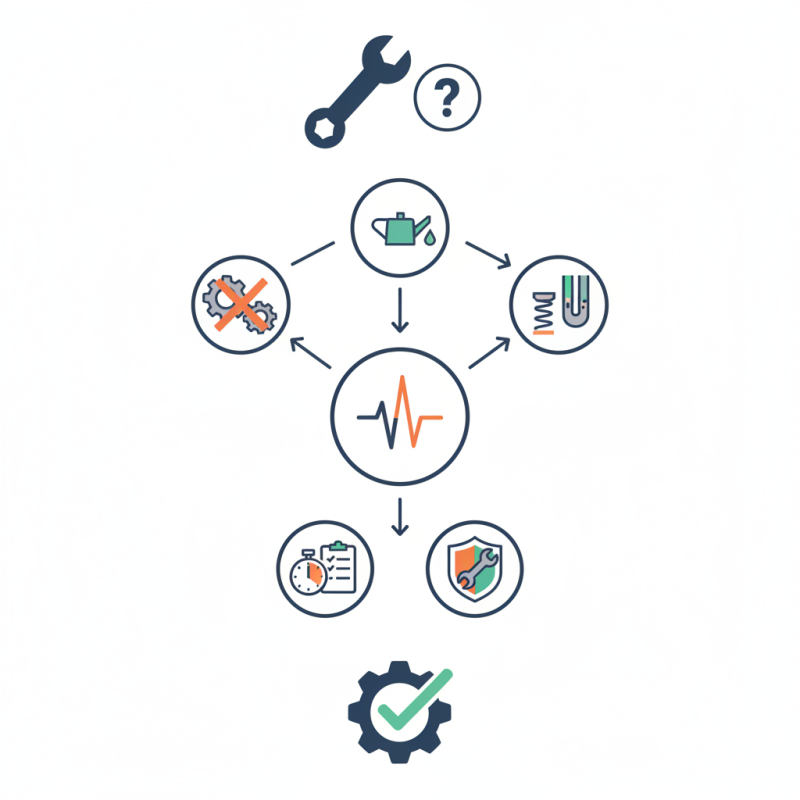
How to Fix Squeaking Noises in Your Forklift?

Understanding the Common Causes of Squeaking Noises in Forklifts

Squeaking noises in forklifts are common issues that can stem from various sources. One of the primary causes is lubrication failure. According to a report by the Forklift Safety Institute, inadequate lubrication contributes to 35% of forklift maintenance problems. When joints and bearings lack proper grease, they begin to wear out and produce noise. This mechanical friction also affects performance.

Another common cause is worn-out components, such as bushings and wheels. A study from the Equipment Manufacturers Association found that about 40% of all forklift down time is due to worn-out parts, leading to audible squeaks during operation. Regular inspections can help identify these issues early. Ignoring them can worsen the squeaking, causing potential safety hazards and increasing repair costs.

Proper and timely maintenance is essential to reduce these noises. It can include greasing, replacing worn parts, and regular checks. Data from industry analytics show that companies performing routine maintenance see a 25% drop in operational noise complaints. Addressing the sources of squeaking not only enhances functionality but also ensures a safer work environment.

Key Components to Inspect for Squeaking Issues in Forklifts

Squeaking noises in forklifts can be bothersome. To effectively address this issue, specific components need inspection. Start with the wheels. Examine for dirt or debris lodged in the wheel bearings. This can lead to unwanted sounds. Regular cleaning and lubrication can prevent these noises.

Next, check the mast and chains. Inspect for wear and tear. Lifting heavy loads can cause stress, leading to squeaks. If the chains are not adequately lubricated, they can create friction, resulting in irritating sounds. Replace any worn components promptly to maintain optimal performance.

Don’t overlook the hydraulic system. Squeaking could indicate low fluid levels or air in the system. Inspect hoses and connections for leaks. A small leak can lead to significant issues down the line. Addressing minor problems early can save time and reduce costs later. Regular maintenance is paramount for a quiet, efficient forklift.

Key Components Inspection for Squeaking Issues in Forklifts

Best Maintenance Practices to Prevent Forklift Squeaks

Maintaining a forklift requires attention to detail to avoid annoying squeaks. Regular inspection of the moving parts can identify wear and tear early. According to the Forklift Safety Institute, 70% of operational issues stem from lack of maintenance. This statistic underlines the importance of keeping machinery in top shape to prevent costly repairs.

Lubrication is critical in minimizing noise. Using high-quality lubricants, as recommended by experts, can extend the life of components. Notably, 60% of forklift operators ignore lubrication schedules, leading to increased friction and eventual squeaks. Ensure all pivot points are greased regularly. Failure to do so could result in not just annoying sounds but also equipment failure.

Additionally, checking for loose bolts or worn-out parts is essential. An estimated 30% of squeaks come from these issues. Operators should routinely inspect their forklifts for loose components. Listen for unusual noises during operation. Any new sounds should trigger a deeper inspection. Addressing these maintenance practices will create a smoother, quieter operating environment. Neglect can lead to significant downtime and safety hazards.

Effective Lubrication Techniques for Forklift Components

Squeaking noises in forklifts often indicate friction in mechanical components. Effective lubrication is crucial to maintain forklift performance. A study by the American Industrial Truck Association highlights that proper lubrication can reduce wear and tear by up to 50%. This reduction significantly extends the lifespan of forklift parts.

Regular lubrication of key components is essential. Focus on pivot points, wheel bearings, and chain assemblies. Use the right type of grease, which often varies based on environmental conditions. For instance, heavy-duty grease is best for outdoor operations, where dust and moisture can be issues. Accurate application prevents excessive noise and damages.

Many operators overlook lubrication schedules. Neglect can lead to increased maintenance costs. Frequent inspections can reveal areas that require attention. A simple visual check can show if parts are dry. Listening for distinct squeaks can also guide your lubrication practices. Addressing these issues promptly can improve efficiency and safety in the workplace.

When to Seek Professional Help for Persistent Forklift Noises

Forklifts are essential equipment in many industries. However, persistent squeaking noises can be a red flag. Such sounds often indicate underlying issues that could worsen if left unaddressed. When you hear unusual noises, it is essential to assess their source. Common culprits include worn-out bearings or dirt buildup. Ignoring these issues can lead to larger, costly problems down the line.

Take note: if squeaking continues despite basic maintenance, seeking professional help is critical. Technicians can diagnose complex issues that may not be apparent to an untrained ear. Their experience ensures that potential hazards are identified and mitigated. Regular professional inspections can provide peace of mind and prevent unexpected downtimes.

It's vital to recognize your limits. Some noises may seem minor but can indicate significant wear in critical components. Waiting too long can lead to equipment failure and safety risks. Prioritize safety and efficiency by consulting experts whenever in doubt about your forklift's health.

How to Fix Squeaking Noises in Your Forklift? - When to Seek Professional Help for Persistent Forklift Noises

Issue Possible Cause DIY Fix When to Seek Help
Squeaking from Wheels Worn out wheel bearings Lubricate the bearings If no improvement after lubrication
Squeaking Brakes Brake pad wear Inspect and replace pads if needed If brakes are not functioning properly
Noise from Fork Mechanism Lack of lubrication or damage Lubricate moving parts If noise continues or increases
Squeaks from Chassis Loose bolts or joints Tighten bolts and inspect joints If looseness persists after tightening
General Squeaking Old or damaged components Conduct a visual inspection If multiple parts are affected

FAQS

: Why is lubrication important for forklifts?

: Lubrication reduces friction, extending the lifespan of forklift components by up to 50%.

How often should lubrication occur?

Regular lubrication of key components is essential to prevent wear and maintain performance.

What parts of a forklift need lubrication?

Focus on pivot points, wheel bearings, and chain assemblies for effective lubrication.

How do I identify lubrication needs?

Look for dry parts and listen for squeaks to determine areas needing attention.

When should I seek professional help for noises?

If squeaking persists despite maintenance, professional help is critical to prevent larger issues.

What are common causes of persistent forklift noises?

Worn-out bearings or dirt buildup often cause ongoing squeaking in forklifts.

What type of grease should I use?

Use heavy-duty grease for outdoor operations to combat dust and moisture effectively.

Can neglecting lubrication affect costs?

Yes, neglect can increase maintenance costs due to potential wear and damage over time.

How can I improve my forklift’s safety?

Prioritize regular inspections and consult experts when you notice unusual noises or issues.

What should I do if I'm unsure about the forklift's health?

Consult with professionals to avoid compromising safety and efficiency with your equipment.

Conclusion

Forklifts are essential for efficient material handling, but squeaking noises can be a common issue that operators face. Understanding the common causes of these noises is crucial; they often stem from worn-out components, insufficient lubrication, or lack of maintenance. Key areas to inspect include the wheels, brakes, and mast, as these are typically where squeaks originate. To prevent such noises, implementing best maintenance practices and adhering to a regular inspection schedule is vital.

Effective lubrication techniques are also essential for keeping forklift components in good working condition. Regularly lubricating joints and moving parts can help minimize squeaking. If you find yourself asking, "Why is my forklift making a squeaking noise?" it may be time to seek professional help, especially if the problem persists despite following maintenance routines. Addressing these issues promptly not only improves the lifespan of the forklift but also enhances safety and operational efficiency.

Ethan

Ethan

Ethan is a seasoned marketing professional with a deep expertise in our company's innovative product line. With a passion for sharing knowledge and insights, he takes the lead in regularly updating our corporate blog, where he explores industry trends, product features, and effective marketing......