Determining the load capacity of a forklift truck is crucial for safety and efficiency in material handling. According to John Smith, a renowned expert in forklift safety, “Understanding load capacity is essential to prevent accidents and ensure smooth operations.” This insight highlights the importance of knowing "how to calculate the load capacity of a forklift truck."
Not every operator fully grasps the implications of load capacity. Misunderstandings can lead to overloading, which threatens both safety and productivity. Operators should assess not just the weight, but also the forklift's stability and center of gravity. This multi-faceted approach can prevent potential disasters on the job site.
Moreover, regular training and updates on equipment can enhance knowledge. Companies often overlook the value of continuous learning. Ensuring all staff understands how to calculate load capacity is not just a guideline; it is a necessity. In adopting a rigorous approach to forklift operations, organizations safeguard their workforce and optimize their resources. Implementing these practices fosters a culture of safety and efficiency.
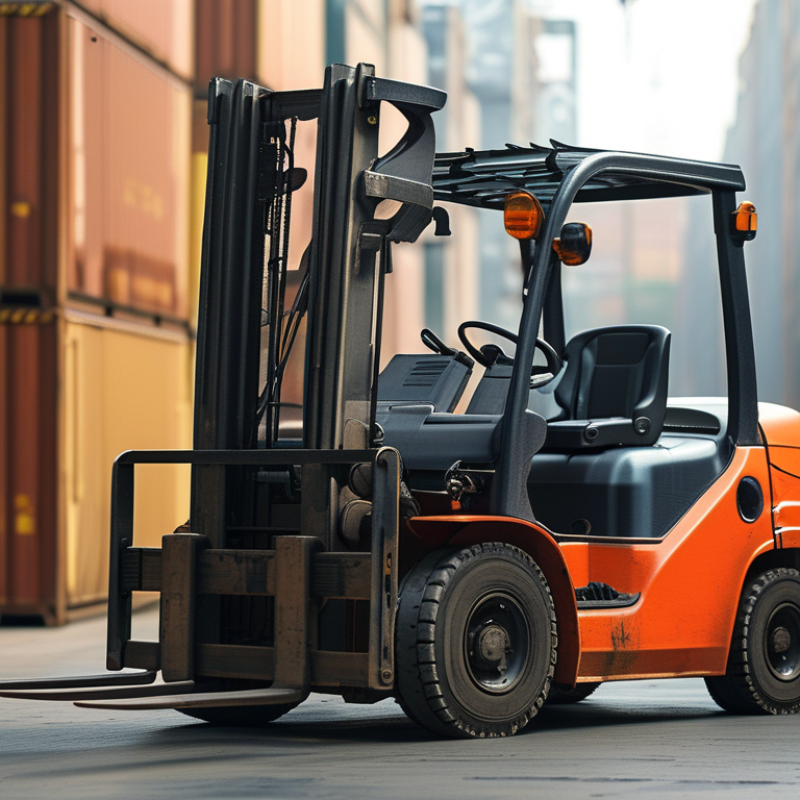
Understanding Forklift Load Capacity Basics
Understanding forklift load capacity is crucial for safety and efficiency in any warehouse operation. According to the Occupational Safety and Health Administration (OSHA), improper load handling can lead to significant workplace accidents. The load capacity designated by manufacturers is based on extensive testing under specific conditions, typically noting a maximum load weight at a given height.
A common guideline indicates that forklift operators should never exceed this specified load limit. Overloading can compromise stability and lead to tipping, particularly when handling loads at height. The National Institute for Occupational Safety and Health (NIOSH) emphasizes that even small excess loads can significantly affect center of gravity, increasing risks.
Operators should also consider load distribution and forklift design. A load that is unevenly distributed can impose additional strain on forklift components, affecting longevity and performance. Reports suggest that improper load handling results in around 90,000 incidents annually, emphasizing the need for continuous training and adherence to safety standards. Understanding these fundamentals is key to ensuring safety and operational efficiency within any material-handling environment.
Forklift Truck Load Capacity by Type
Factors Influencing Forklift Load Capacity
Forklift load capacity is affected by several key factors. The type of forklift plays a critical role. For instance, reach trucks typically have a lower load capacity compared to counterbalance forklifts. According to the American Society of Mechanical Engineers (ASME), the load capacity can vary significantly based on the design of the forklift and its intended use. Understanding these variations is essential for safe operations.
Weight distribution is another crucial factor. Unevenly distributed loads can dramatically decrease a forklift's effective capacity. Industry reports suggest that up to 30% of accidents result from improperly loaded forklifts. Operators should always check load distribution on forks to enhance safety and efficiency.
Consider the environment as well. Rough surfaces and inclines can influence performance. Forklifts operating on ramps may have reduced capacities, which should be factored into any load assessments. Ensuring that the forklift is suitable for the working conditions can prevent accidents and improve reliability.
Assessing these factors helps in effective load management. Regular training for operators on load capacity and safety standards is needed. Workers should be aware of their equipment's limitations. Even slight oversights can lead to serious hazards, highlighting the importance of consistent evaluations. Making adjustments based on these influences is key for operational efficiency and safety.
Methods for Calculating Load Capacity
Calculating forklift truck load capacity is crucial for safe operations. To begin, understanding the manufacturer's guidelines is vital. Every forklift comes with a specific load capacity rating. This rating indicates the maximum weight the forklift can safely handle. It's important to consider both the weight and the distribution of the load. Unevenly distributed loads can drastically reduce stability.
Another method involves assessing the center of gravity. This refers to the point where the weight of the load is effectively balanced. If the center of gravity is too high or too far forward, it can lead to tipping hazards. Proper calculations should factor in dimensions and height of the load. Overloading affects performance, which can lead to safety risks.
Training operators is key. They must understand how to read load charts and what factors influence lifting capacity. Regular inspections ensure the forklift remains in proper working condition. Operators should reflect on their experiences to improve their skills. Practical experience often highlights nuances that theoretical knowledge may overlook. Recognizing the limitations is essential for safety in the workplace.
Safety Considerations When Evaluating Load Capacity
When evaluating a forklift truck's load capacity, safety should always be the top priority. Overloading a forklift can lead to tipping over or mechanical failures, causing serious injuries or damage. Understanding the specific load limitations of a forklift and adhering to those guidelines is crucial. Each forklift model has a rated load capacity listed by the manufacturer, which should never be exceeded. Operators need training to recognize and respect these limits.
It's essential to inspect the forklift regularly. Check the condition of tires, brakes, and lifting mechanisms. Regular maintenance helps ensure the equipment works correctly and safely. Operators should also consider the load center, which is the distance from the fork's upright to the load's center of gravity. Poor weight distribution can increase the risk of accidents. Always ensure that the load is secure and stable during transport. An unbalanced load can easily lead to a mishap.
Communication with team members is vital when handling heavy loads. Using proper signals helps coordinate movements and avoids accidents. Workers must also wear appropriate personal protective equipment. They should be aware of their surroundings and possible hazards. Reflecting on past experiences, even minor oversights can lead to dangerous situations. Being vigilant is key to maintaining a safe working environment.
Regular Maintenance and Inspections for Load Safety
Regular maintenance and inspections are crucial for ensuring the load safety of forklift trucks. Routine checks help identify potential issues before they become significant problems. This proactive approach can prevent accidents and equipment failures. Forklift operators should regularly inspect key components, such as the forks and load backrest, to ensure they are in good condition. Worn or damaged parts can easily lead to catastrophic failure when carrying heavy loads.
Inadequate inspections may not reveal hidden dangers. Operators often overlook simple indicators, like rust or unusual noises, which can signal deeper issues. Training is vital for staff to recognize these signs. Knowing how to properly assess load capacity requires understanding both the truck’s specifications and the specific loads being handled. Furthermore, establishing a maintenance log can enhance accountability. It’s a tool that reflects attention to detail and promotes an environment where safety is prioritized.
Incorporating a regular maintenance schedule fosters a culture of safety. Regularly checking fluid levels, brakes, and steering mechanisms ensures the forklift operates smoothly. Neglecting these inspections can lead to costly mistakes, both financially and in terms of safety. It is essential to reflect on past incidents to avoid repeating mistakes. By prioritizing thorough inspections and maintenance, businesses can significantly improve their operational safety and reliability.
FAQS
: Recognizing load capacity is crucial for safety and efficiency in warehouse operations. It prevents accidents and injuries.
Overloading can compromise stability, leading to tipping and mechanical failures. It can cause serious injuries.
Start by understanding the manufacturer's guidelines. Always consider both weight and load distribution when calculating capacity.
The center of gravity and weight distribution are key. An unbalanced load increases tipping risks significantly.
Regular training and practical experience help. Reflecting on past experiences reveals nuances that enhance understanding.
Check tires, brakes, and lifting mechanisms frequently. Regular maintenance ensures equipment operates safely and effectively.
Proper signals and teamwork reduce risks. Clear communication helps coordinate movements and prevents accidents.
Appropriate personal protective equipment is essential. It protects workers from potential hazards in the environment.
Regular reflection helps identify oversights. This habit enhances safety awareness and improves overall workplace practices.
Reports indicate around 90,000 incidents occur annually due to improper load handling. Continuous training is necessary for safety.
Conclusion
Determining the load capacity of a forklift truck is essential for safe and efficient operations. Understanding the basics of forklift load capacity includes recognizing the different ratings and limits set by manufacturers. Factors such as the type of forklift, load distribution, and operating environment play a crucial role in influencing load capacity. To ensure optimal safety, it is vital to know how to calculate the load capacity of a forklift truck accurately, considering the weight of the load and the center of gravity.
Moreover, safety considerations should not be overlooked when evaluating load capacity. Regular maintenance and inspections are necessary to ensure that the forklift remains in good working condition and adheres to safety regulations. By following these guidelines, operators can effectively manage load capacities, ensuring both safety and productivity in their operations.

 AJ Forklifts